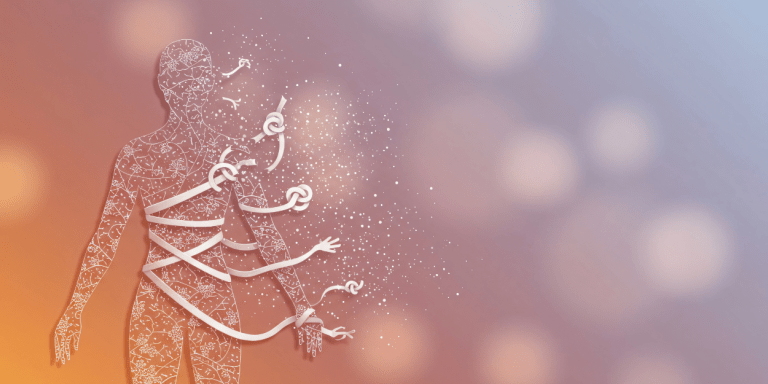
Non negarlo, ma accettare che fa parte dell’esperienza umana.
Il processo di perdono verso se stessi è cruciale per la crescita personale, ci permette di affrontare e superare i nostri errori. Può sembrare scontato ma in realtà per alcune persone è un processo dolorosissimo, nel perdonarsi si entra in contatto con le emozioni che accompagnano l’errore.
Spesso, gli errori generano sentimenti di vergogna o frustrazione. Prendersi il tempo per esplorare queste emozioni ci aiuta a capire il contesto in cui è avvenuto l’errore.
Un periodo legato alla dipendenza da droghe o alcol, gesti di collera esagerata verso se stessi o gli altri, aver creato debiti economici o aver vissuto per troppo tempo relazioni tossiche. Possono essere infiniti gli errori e la sensazione che ci governa è sempre l’impossibilità di donarsi una vita diversa. Di uscire una volta per tutte da una condizione che conosciamo bene.
Non solo, una volta che abbiamo elaborato i nostri sentimenti, dobbiamo assumerci la responsabilità delle nostre azioni. Questo non significa colpevolizzarsi, ma riconoscere il ruolo che abbiamo avuto nella situazione e le conseguenze che ne derivano, nella verità, senza omettere nulla e toccando con mano ma con piena consapevolezza la vergogna, che, prima di riconoscerla, ti isola e crea una spaccatura tra te e il resto delle persone e ti porta solo a guardare il confine degli altri.
La sensazione di libertà arriva quando ci arrendiamo a noi stessi accogliendo questo processo.
Il perdono non è solo un atto di liberazione, ma un’opportunità per evolvere e diventare versioni migliori di noi stessi.
Don’t deny it, but accept that it is part of the human experience.
The process of self-forgiveness is crucial for personal growth, it allows us to face and overcome our mistakes. It may seem obvious but in reality for some people it is a very painful process, in forgiving oneself one comes into contact with the emotions that accompany the mistake.
Often, mistakes generate feelings of shame or frustration. Taking the time to explore these emotions helps us understand the context in which the mistake occurred.
A period linked to drug or alcohol addiction, exaggerated anger towards oneself or others, having created economic debt or having lived in toxic relationships for too long. The mistakes can be infinite and the feeling that governs us is always the impossibility of giving ourselves a different life. Of getting out once and for all from a condition that we know well.
Not only that, once we have processed our feelings, we must take responsibility for our actions. This does not mean blaming ourselves, but recognizing the role we have had in the situation and the consequences that derive from it, in truth, without omitting anything and touching with our hands but with full awareness the shame, which, before recognizing it, isolates you and creates a rift between you and the rest of the people and leads you only to look at the border of others.
The feeling of freedom comes when we surrender to ourselves by welcoming this process.
Forgiveness is not only an act of liberation, but an opportunity to evolve and become better versions of ourselves.